Edmonton's Wettest Summer: Top 5 Water Damage Risks
If it feels like your basement has been under siege this summer, you're not imagining it. Edmonton just had its wettest June on record, breaking a rainfall mark that stood for over 100 years, and the storms haven't let up since. Stormwater systems across the city have been pushed past capacity more than once, and the calls we're getting as plumbers reflect it. Here's a rundown of the water damage issues we're seeing most, and why this kind of weather makes them worse.
1. Sewer Backups from Overwhelmed Storm Systems
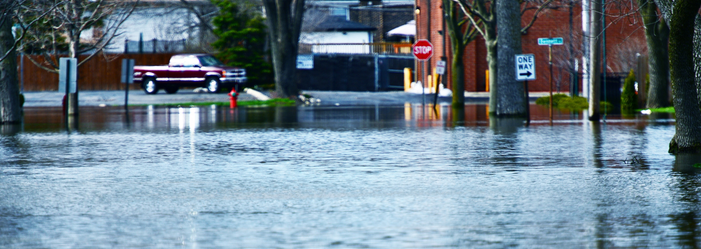
When the city's stormwater infrastructure gets more rain than it can handle in a short window, that water has to go somewhere. In older neighbourhoods with combined or aging sewer lines, the result is often backup where water and waste are pushed back up through floor drains, basement toilets, and laundry standpipes instead of flowing away from the home.
What we're seeing: Homeowners without a backwater valve installed are getting hit hardest. This is a mechanical valve that only allows flow in one direction, and it's one of the single best investments you can make if you're in a flood-prone area.
2. Sump Pump Failure Under Sustained Load
A sump pump is designed to handle intermittent water intrusion, not weeks of near-constant groundwater saturation. When storms roll through back-to-back, as they have for much of this summer, pumps are running far more than they're built for.
What we're seeing: Burnt-out motors, tripped breakers, and pumps that simply can't keep pace with the volume of water entering the pit. A battery backup sump pump has gone from a "nice to have" to essential this year. Unfortunately, power outages during storms are quite common, and that's exactly when your pump matters most.
3. Foundation and Weeping Tile Saturation
Prolonged heavy rain saturates the soil around a home's foundation. Once the ground is fully saturated, water has nowhere to go but toward the path of least resistance, which is often your foundation walls or an aging weeping tile system.
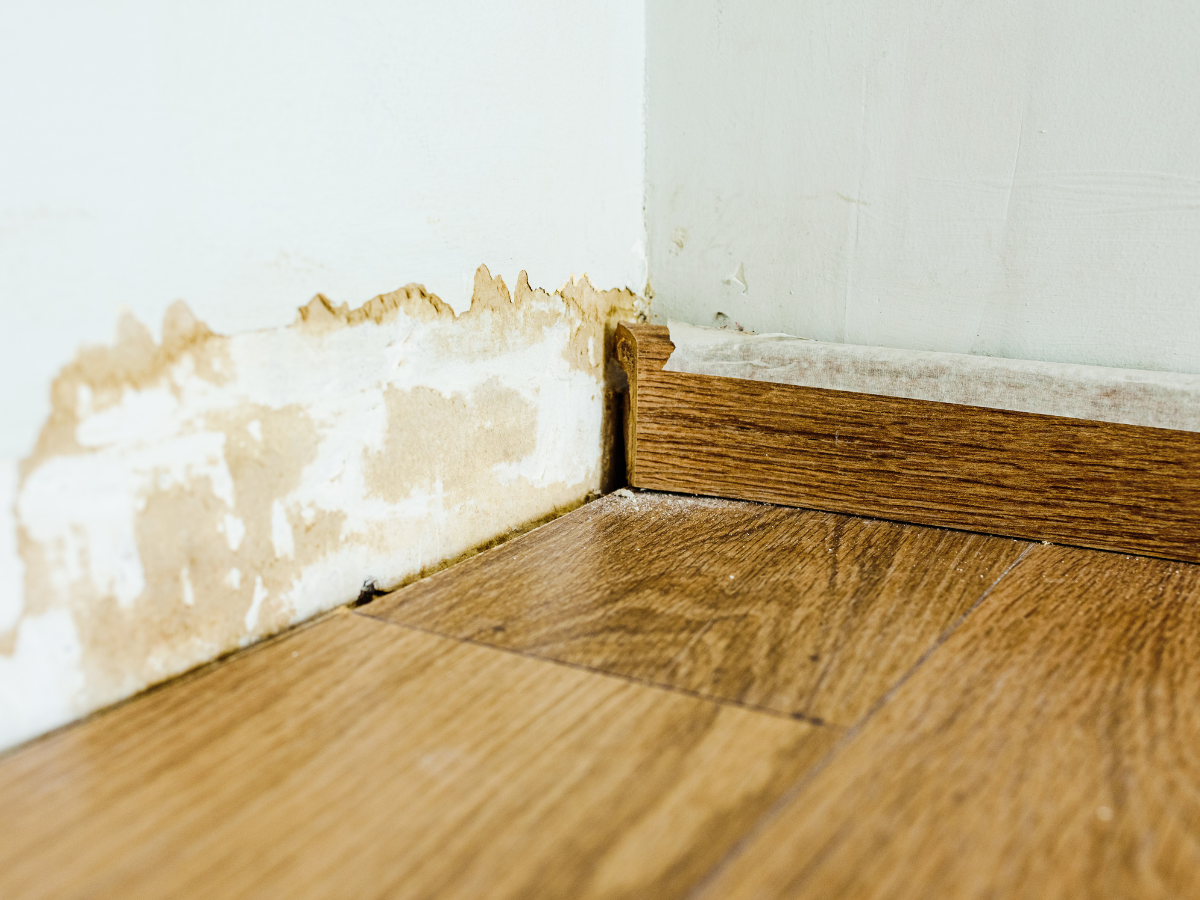
What we're seeing: Slow seepage through hairline foundation cracks, and weeping tile systems that were marginal to begin with failing outright under sustained hydrostatic pressure. This isn't always dramatic flooding; it's often a damp smell and soft drywall that shows up weeks later.
4. Overland Flooding and Grading Issues
When storm drains and swales can't keep up, water pools on the surface and finds the lowest point around your property, which is frequently right up against the foundation. Poor lot grading, clogged eavestroughs, and downspouts that dump water too close to the house all make this worse.
What we're seeing: Homes with downspouts extending less than 6 feet from the foundation, or with negative grading (sloping toward the house instead of away), taking on water even when the plumbing inside is functioning perfectly.
5. Hidden, Slow-Developing Water Damage
Not every water event is obvious. A slow weeping tile leak or a foundation crack can go unnoticed for weeks, especially if it's happening behind finished basement walls.
What we're seeing: Mold growth and structural damage that's more extensive than the initial water intrusion would suggest, simply because it wasn't caught early. This is the category that costs homeowners the most, because by the time it's visible, it's often been developing for a while.
What This Means for Edmonton Homeowners Right Now
With more storms in the forecast and the ground already saturated across the region, the risk factors compound. A few things worth doing proactively:
- Have your backwater valve and sump pump inspected before the next storm, not after
- Check your eavestroughs and downspout extensions
- Walk your foundation after a heavy rain and look for pooling water
- Don't ignore a musty smell in the basement, even if you don't see visible water
If you've had water in your home this summer, or you want to get ahead of the next storm, give us a call!